
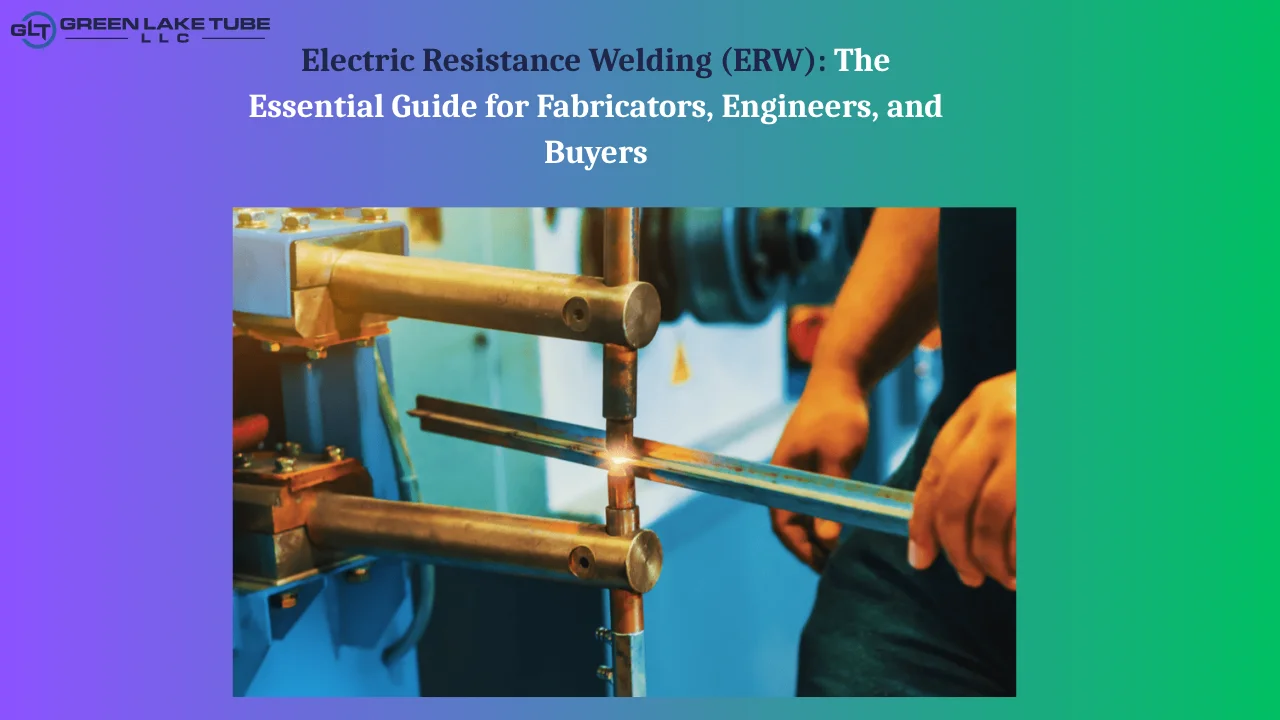
Electric Resistance Welding (ERW) is a common method used to create strong, cost-effective tubing and pipe—but understanding how it compares to other welding types can be confusing. Whether you’re weighing ERW vs. seamless, wondering how to weld thin aluminum, or trying to join stainless steel safely, this guide breaks it all down clearly. From what ERW actually means to how it impacts weld strength, seam quality, and cost, we’ll cover it all with real-world examples to help you make smarter buying decisions.
What Is Electric Resistance Welding (ERW)?
Electric Resistance Welding (ERW) is a welding process that joins metal parts—usually steel tubes or pipes—by applying pressure and passing electric current through the contact area. This localized heat causes the metal to melt and fuse without needing filler material or gas shielding.
ERW is widely used to manufacture high-strength tubing for automotive, construction, and infrastructure projects.
How It Works: The Science Behind Resistance Welding
- Current + Pressure = Bonding
In ERW, two pieces of metal are pressed together while an electrical current passes through them. The electrical resistance of the material generates heat, which melts and fuses the edges. - No Filler Required
Unlike traditional electric welding processes such as MIG or TIG, ERW relies on heat generated within the metal itself. This results in a strong, seamless joint.
Why Buyers Choose ERW Over Other Methods
Here’s what makes electric resistance welded pipe and ERW tubing a popular choice:
Strength & Consistency
The seam weld in ERW pipes has nearly the same strength as the base metal, making them ideal for high-stress structural applications.
Cost-Efficient Production
With high-speed manufacturing and no need for filler materials, ERW offers excellent economics—perfect for bulk buyers.
Clean, Uniform Finish
The process creates a clean, consistent seam—ideal for visual and structural applications in industries like furniture, automotive, and mechanical systems.
Versatile Applications
Whether you’re joining copper pipe, sourcing a resistance spot welder, or fabricating square tubing—ERW is highly adaptable.
Key Differences: Welding vs Brazing vs Soldering
Many first-time buyers confuse welding, soldering, and brazing. Here’s a simple breakdown:
| Process | Temperature | Material Bonding | Strength | Use Case |
| Welding (e.g., ERW) | > 1,500°F | Fuses base metals | Very strong | Structural |
| Brazing | ~800°F | Filler metal only | Moderate | HVAC, piping |
| Soldering | < 450°F | Filler only | Low | Electronics, plumbing |
Always choose welding (especially resistance seam welding or spot welding) when structural integrity and high strength are required.
Common Types of Resistance Welding
Electric resistance welding isn’t just one process, it includes several subtypes:
1. ERW (Electric Resistance Welding)
Used mainly for making erw welded pipe, erw tube, and electric resistance welded tube. It’s perfect for straight seams.
2. Resistance Spot Welding
Ideal for automotive panels and small metal parts. A resistance spot welder joins metals at distinct points.
3. Seam Resistance Welding
Similar to spot welding, but the electrodes are rollers, making it ideal for creating leak-proof seam welds in fuel tanks or radiators.
4. Flash Welding and Butt Welding
Often used in rail manufacturing or thick cross-section joining.
ERW vs LSAW: Which One Should You Choose?
LSAW (Longitudinal Submerged Arc Welding) is another method used in pipe manufacturing. Here’s how it compares to ERW:
| Feature | ERW | LSAW |
| Pipe Size | Up to 24″ | 16″–60″ |
| Production Speed | High | Slower |
| Weld Type | Resistance | Submerged arc |
| Cost | Lower | Higher |
| Best For | General construction, automotive | Oil, gas, large diameter pipelines |
✔ If you’re buying for HVAC, scaffolding, furniture, or general structure, ERW offers unbeatable value.
Seam Welds & Strength: How Reliable Are They?
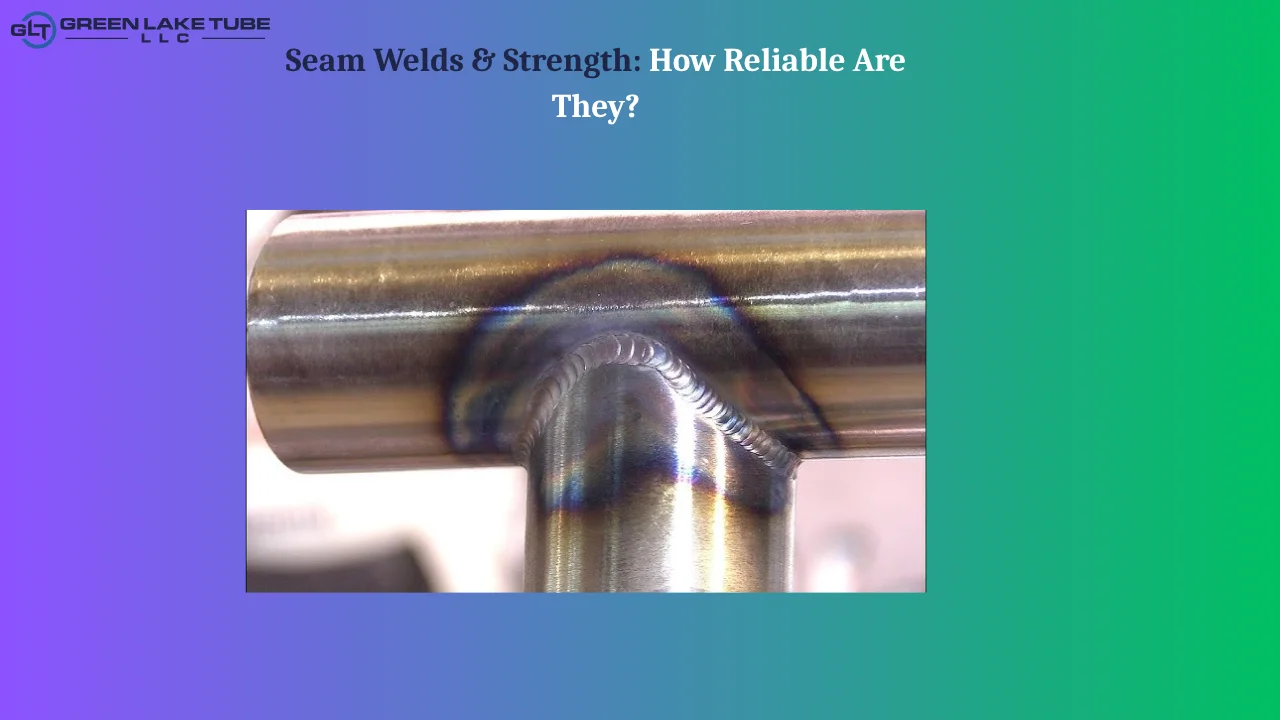
A major concern for buyers is the welding seam in ERW pipes. Is it as strong as the rest of the pipe?
Yes, when manufactured correctly, ERW pipes are pressure-tested and the weld zone is heat-treated to match the base metal’s strength.
Welding seam integrity is especially critical when sourcing bonding gas lines or welding nuts into structural frames.
Applications of Electric Resistance Welded Pipes and Tubes
ERW pipes and tubes are everywhere. Some common uses:
- Scaffolding and Structural Supports
Strength-to-weight ratio makes ERW tubing a builder’s favorite. - Automotive Frames
Resistance spot welding is commonly used in car manufacturing. - Furniture and Fixtures
ERW tube’s clean seam finish works well in exposed metal furniture. - Water & Gas Pipes
ERW is often used in bonding gas lines and domestic piping systems.
Can You Weld to Stainless Steel or Sheet Metal Using ERW?
Yes, but with caveats.
- Stainless Steel: Can be welded using ERW, but control of heat and timing is critical to avoid brittleness or corrosion.
- Sheet Metal: Resistive spot welding and resistance seam welding are commonly used here, especially in HVAC ducts and automotive bodies.
Wondering how to weld sheet metal without warping? Use small welding sets with controlled current, or choose for resistance welding for best results.
What Welder Do You Need for Aluminum?
Aluminum isn’t ideal for traditional ERW due to its high conductivity and low resistance. However:
- Use a TIG welder for precision
- MIG welders are fine for thicker aluminum
- Capacitive discharge spot welding may work for thin aluminum sheets
Welding thin aluminum requires experience and pulse control to avoid burn-through.
How to Weld Without a Welder (Alternatives for Hobbyists)?
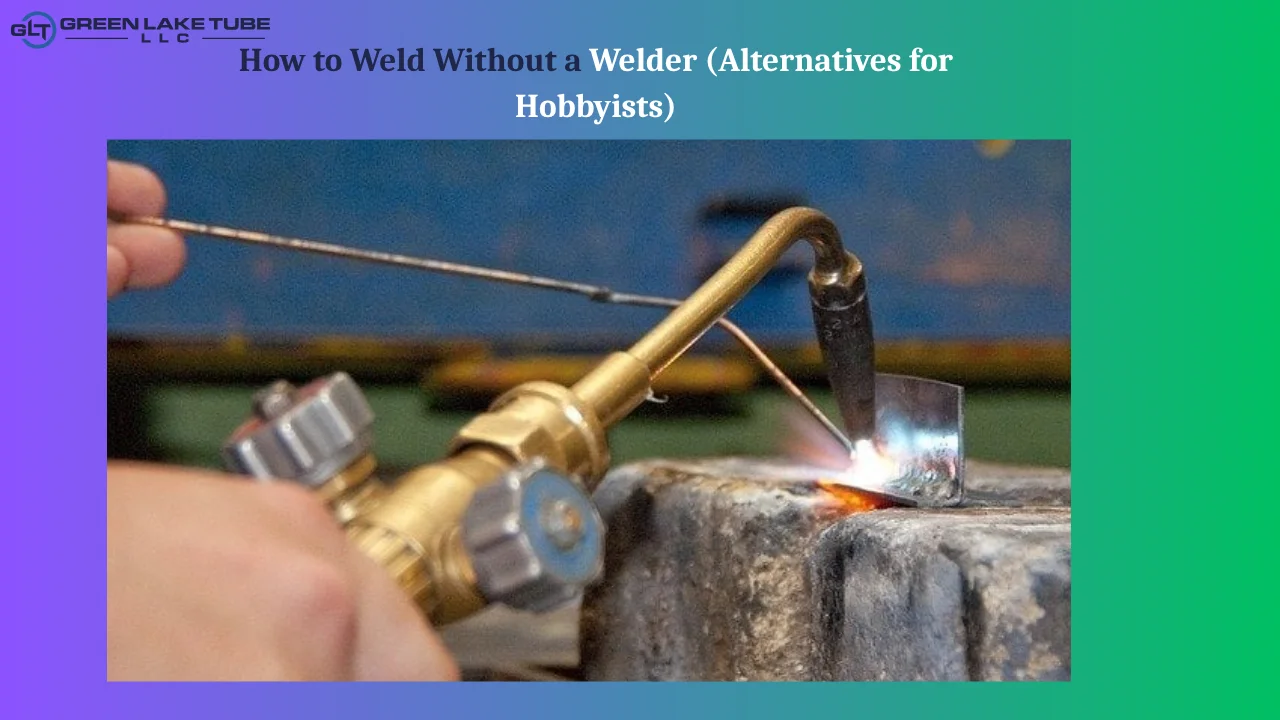
If you’re in a pinch and wondering how to weld without a welder, consider:
- Soldering or Brazing: For light-duty work.
- Cold Welding Epoxy: Not true welding, but can bond small metal parts.
- Riveting or Mechanical Fasteners: For non-permanent structures.
However, these don’t match the strength of true resistance welds or electric welding.
FAQ’s:
What is ERW Pipe Meaning?
ERW pipe refers to a pipe formed using Electric Resistance Welding—a process where flat steel is formed into a pipe and welded longitudinally without filler.
What Is Resistance Welding Best For?
It’s best for mass production, automotive parts, tube and pipe manufacturing, and thin sheet metal joining.
Can You Use ERW Tubing in High-Pressure Systems?
Yes, but ensure it’s tested and rated. Seam weld strength is critical here.
Is Electrostatic Welding the Same as ERW?
No. Electrostatic welding uses static electric fields and is more experimental. ERW relies on direct current and resistance.
What’s Stronger Solder, Welding, or Brazing?
Welding is the strongest. Here’s the hierarchy:
Welding > Brazing > Soldering
Interesting Facts About Welding You Didn’t Know
- ERW was invented in the 19th century but revolutionized tubing production in the 20th.
- “Widerstandsschweißen” is the German word for resistance welding.
- NASA uses resistance seam welding in spacecraft fabrication.
Why Choose Green Lake Tube for ERW Tubing?
At Green Lake Tube, we specialize in manufacturing electric resistance welded tube with superior seam integrity, consistent wall thickness, and adherence to ASTM standards.
Here’s what sets us apart:
- Precision engineering for tight tolerances
- Quality-tested welds for pressure, strength, and corrosion resistance
- Custom sizes & finishes available
- Fast turnaround on bulk orders
If you’re looking for high-quality ERW welded pipe, ERW tubing, or custom resistance welding solutions, we’ve got you covered.
Is ERW Right for Your Project?
Electric resistance welding is one of the most versatile, cost-efficient, and high-strength methods of joining metals available today. Whether you’re a contractor, engineer, or procurement officer, ERW tubing and electric resistance welded pipes offer incredible value and durability if sourced from a trusted manufacturer.
Ready to Buy? Contact Green Lake Tube Today
We’re here to help with quotes, specs, or custom ERW orders. Visit https://greenlaketube.com/contact or call our team for immediate support.

