
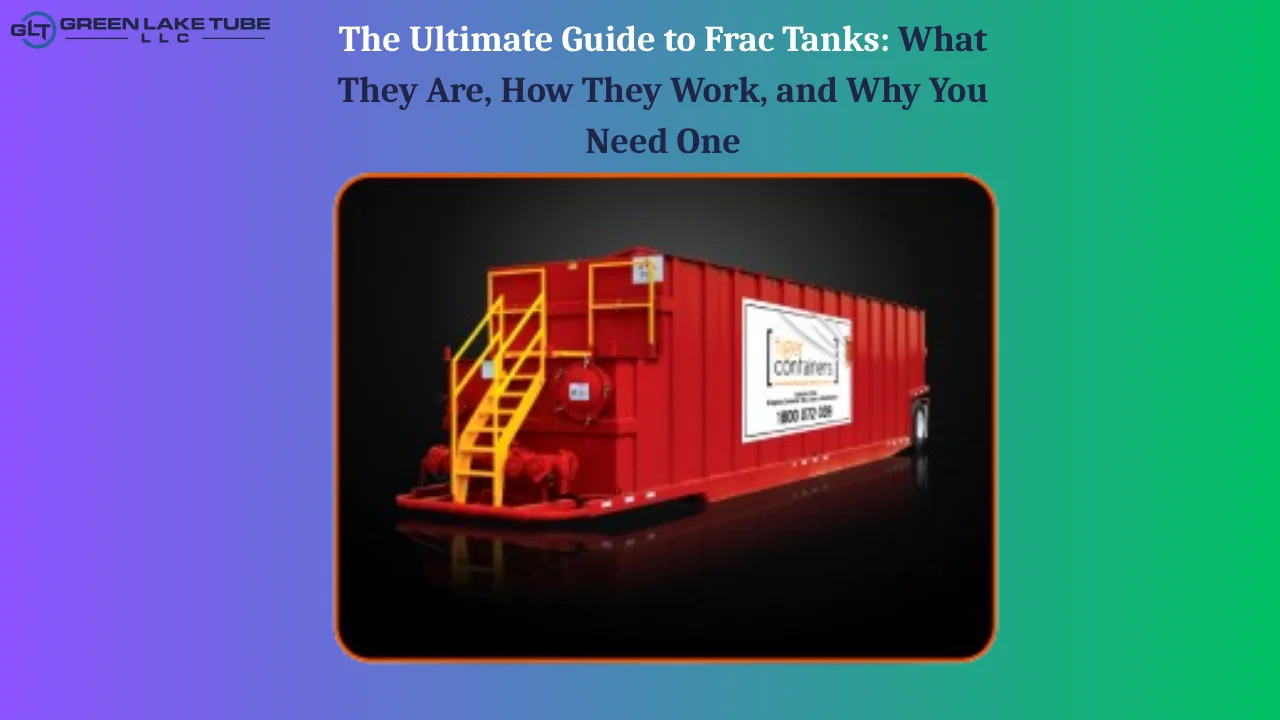
In the world of industrial fluid storage, few assets are as vital, versatile, and underappreciated as the frac tank. Whether you’re in oil and gas, construction, agriculture, or environmental remediation, you’ve likely found yourself asking: “Where do I safely store thousands of gallons of water, waste, or chemicals?” That’s where frac tanks step in.
When time is money and downtime is costly, the right fluid storage solution can make or break a project. Many businesses underestimate the logistical challenges of storing, transporting, and managing large volumes of liquid until it’s too late—leading to project delays, safety risks, and budget overruns. If you’re searching for a dependable, flexible, and scalable solution, understanding frac tanks and how to choose the right one is key.
What Is a Frac Tank?
A frac tank is a large, steel container typically used to store liquids such as water, chemicals, oil, or waste products. Originally developed for hydraulic fracturing (“fracking”) in the oil and gas industry, frac tanks have since found applications in dozens of sectors thanks to their capacity and durability.
Typical Specifications
- Capacity: Ranges from 10,000 to 21,000 gallons
- Material: Heavy-duty steel construction
- Dimensions: Approx. 8.5 feet wide, 45 feet long, and 11 feet tall
- Mobility: Often mounted on a frac tank trailer for ease of transport
Why Use Frac Tanks? (Key Use Cases)
1. Hydraulic Fracturing (Fracking)
Frac tanks are an industry standard for storing the water and chemical mixtures used in fracking operations.
2. Environmental Remediation
Used for collecting and temporarily storing contaminated water or sludge during cleanup efforts.
3. Construction Sites
Frac tanks provide an on-site solution for water storage, runoff containment, or holding process fluids.
4. Industrial Applications
Refineries and chemical plants use frac tanks for excess storage during maintenance shutdowns or emergencies.
5. Agriculture
In remote farming areas, frac tanks offer large-scale water storage for irrigation or livestock.
Types of Frac Tanks
Understanding the different types of frac tanks will help you choose the best one for your specific needs.
Open Top Frac Tank
- Ideal for applications that require easy access or visibility
- Common in sludge storage and environmental remediation
Closed Top Frac Tank
- Prevents evaporation and contamination
- Suitable for volatile or hazardous liquids
Mix Tanks
- Equipped with an internal mixing system
- Keeps solids from settling and maintains fluid consistency
Double-Walled Frac Tank
- Provides secondary containment
- Essential for storing hazardous or regulated substances
Mini Frac Tank
- Smaller in size
- Useful in tight spaces or for smaller-scale projects
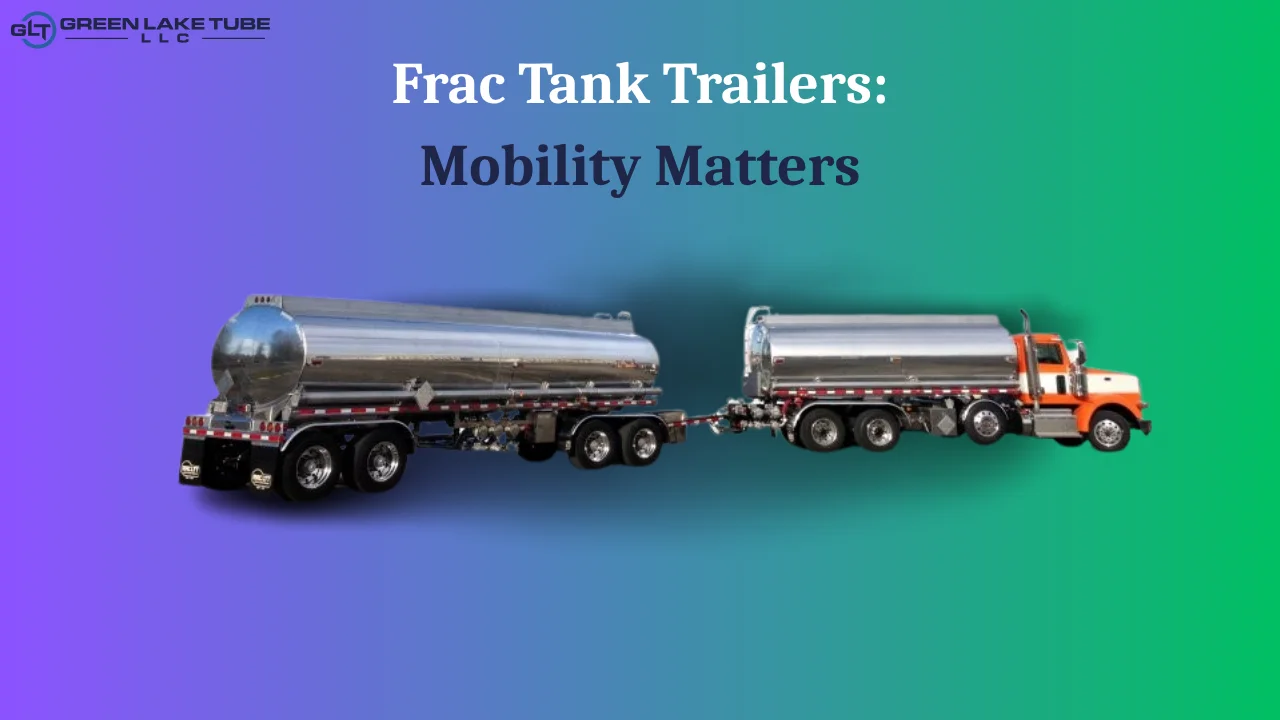
Frac Tank Trailers: Mobility Matters
What Is a Frac Tank Trailer?
A frac tank trailer is a frac tank mounted on wheels or a flatbed, allowing it to be transported easily between job sites.
Benefits:
- Reduced Downtime: Quick mobilization
- Flexibility: Ideal for multi-site projects
- Compliance: Easier to meet local regulations
When time-sensitive operations require on-the-fly mobility, frac tank trailers offer a winning combination of capacity and convenience.
How to Choose the Right Frac Tank
Selecting the correct frac tank isn’t just about volume. Consider the following:
1. Fluid Type
- Corrosive chemicals require specialty coatings or materials
- Wastewater may require closed tops and filtration
2. Site Conditions
- Will the tank be on uneven terrain?
- Is space limited?
3. Regulatory Requirements
- Are secondary containment systems needed?
- Does the tank need to meet environmental protection standards?
4. Budget and Rental Duration
- Short-term rentals vs. long-term purchases
- Maintenance and transport costs
Real-World Example: Frac Tanks in Disaster Recovery
After a major flood in the Midwest, a utility company needed to store contaminated stormwater while repairs were underway. Traditional containers weren’t large enough. They deployed over 40 frac tanks, which allowed safe temporary storage and rapid deployment of treatment equipment. The tanks’ rugged design stood up to challenging conditions, and their mobility allowed relocation as clean-up zones shifted.
Frac Tanks vs. Poly Tanks: A Comparison
| Feature | Frac Tank | Poly Tank |
| Capacity | Up to 21,000 gallons | Usually under 10,000 gal |
| Durability | High (steel construction) | Medium (plastic) |
| Mobility | High (trailers) | Low (often stationary) |
| Use Cases | Industrial, hazardous | Agricultural, potable |
| Temperature Resistance | Excellent | Moderate |
If your project requires high capacity, durability, and mobility, frac tanks are the clear winner.
Maintenance and Safety Best Practices

Regular Inspections
- Check for corrosion, leaks, and structural integrity
Cleaning Procedures
- Use approved methods to remove chemical residues
- Prevent cross-contamination
Safety Features
- Secondary containment berms
- Emergency vents
- Spill protection systems
FAQs About Frac Tanks
What is a frac tank?
A frac tank is a heavy-duty steel container used to store large volumes of liquid, especially in industrial settings like oil and gas.
How many gallons does a frac tank hold?
Standard frac tanks can hold between 10,000 and 21,000 gallons.
What is a frac tank trailer?
A frac tank trailer is a mobile version of a frac tank that allows it to be easily transported between sites.
Are frac tanks only used in oil and gas?
No. They are also used in construction, agriculture, disaster relief, and environmental cleanup.
Can frac tanks be rented?
Yes, many providers offer frac tanks for rent on daily, weekly, or monthly terms.
Partner With GreenLakeTube for Your Frac Tank Needs
At GreenLakeTube.com, we understand the demands of modern industrial operations. Our team provides premium frac tanks, trailers, and fluid storage solutions tailored to your needs. Whether you’re dealing with a one-time project or long-term operations, we offer scalable options, fast delivery, and expert support.
- Wide selection of frac tanks and trailers
- Custom containment solutions
- 24/7 customer support
- Competitive rental and purchase plans
Let us help you solve your toughest fluid storage challenges—safely, efficiently, and affordably.
Final Thoughts
When it comes to managing large-scale fluid storage, a frac tank is more than just a container—it’s an essential part of your operational backbone. By understanding their features, benefits, and use cases, you can make informed decisions that improve productivity, enhance safety, and protect the environment.
Choose the right partner. Choose GreenLakeTube

