
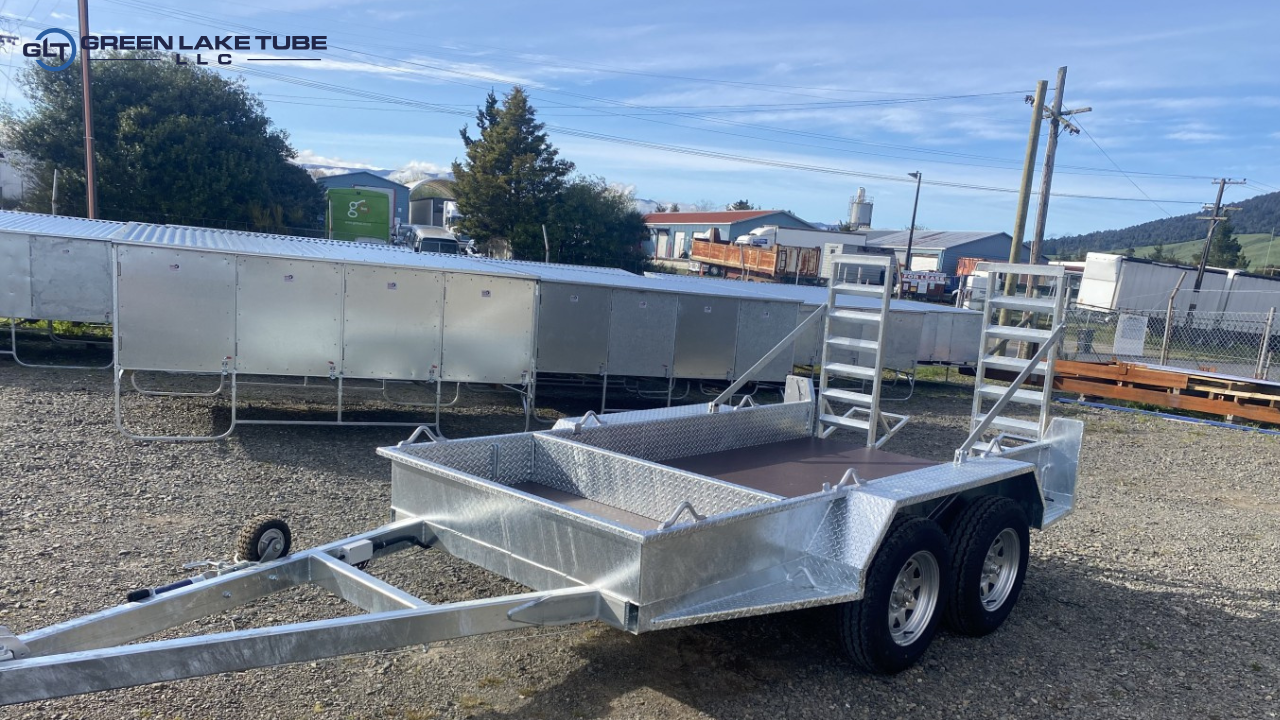
In the demanding world of transportation and logistics, a trailer is only as strong as its frame. For fabricators, OEMs, engineers, and purchasing managers in the trailer and container manufacturing sectors across the United States, selecting the optimal steel for trailer frames isn’t just about structural integrity; it’s about safety, longevity, operational efficiency, and ultimately, your bottom line. The choice of trailer frame steel dictates everything from payload capacity and durability to manufacturing costs and long-term maintenance.
The market is saturated with options, making the decision complex. Are you grappling with the trade-offs between strength and weight? Concerned about the trailer steel frame‘s resistance to corrosion in harsh environments? Or perhaps seeking to optimize your material costs without compromising quality? This comprehensive guide will navigate the complexities of trailer framing materials, helping you make informed decisions that elevate your product and your reputation. We’ll delve into the critical factors that influence steel selection, providing actionable insights to ensure your next metal frame for trailer is built for unparalleled performance and reliability.
1. Understanding the Core: Types of 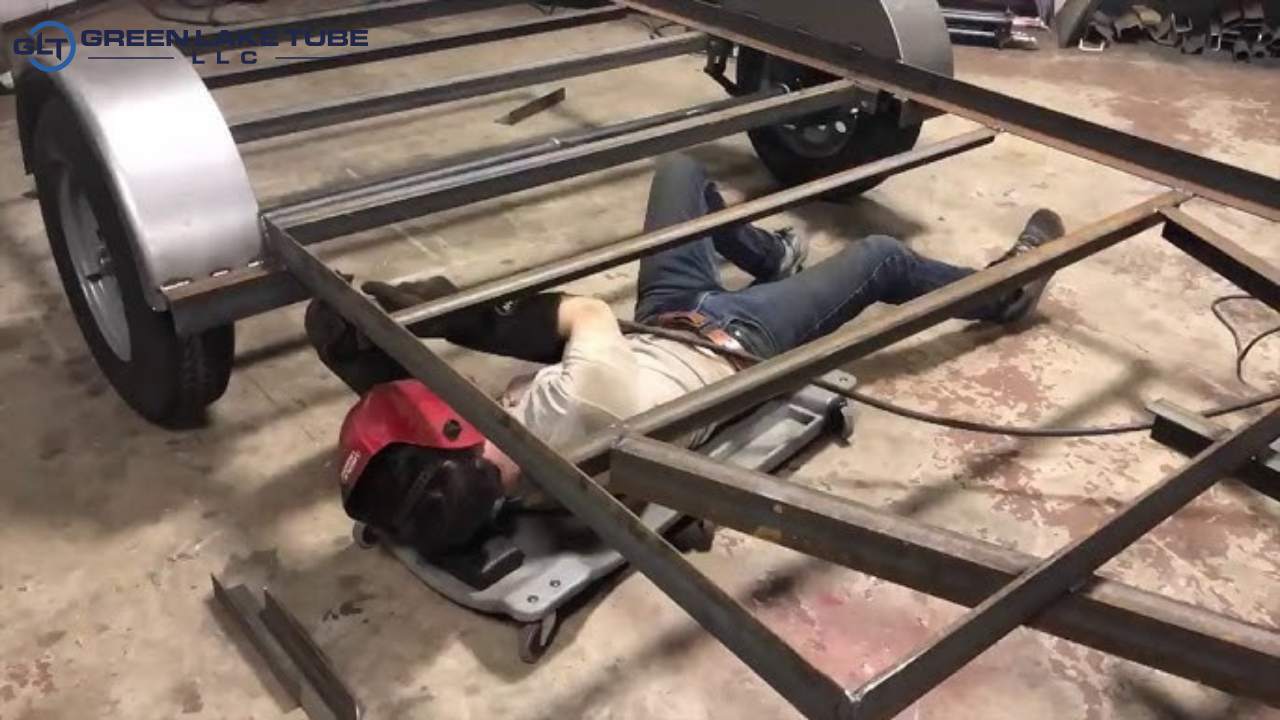
The backbone of any robust trailer is its steel tubing. While the term “steel” is broad, specific grades and types of tubing offer distinct advantages for various trailer applications. When designing or fabricating a utility trailer frame, or even an enclosed trailer frame kit, understanding these fundamental differences is paramount.
1.1. Carbon Steel: The Workhorse of Trailer Manufacturing
Carbon steel remains the most common and cost-effective choice for general-purpose trailer frames for sale. Its widespread availability and ease of fabrication make it a go-to material.
- ASTM A500 (Cold-Formed Welded and Seamless Carbon Steel Structural Tubing): This is arguably the most prevalent standard for steel for trailer frame construction. A500 tubing is known for its excellent strength-to-weight ratio and suitability for welding. It comes in various grades (e.g., Grade B, Grade C), with Grade C offering higher yield and tensile strength, making it ideal for more demanding applications. Common dimensions like 2×2 trailer tubing or 2×3 steel tubing for trailer are frequently specified under A500.
- ASTM A513 (Electric-Resistance-Welded Carbon and Alloy Steel Mechanical Tubing): While ASTM A513 can be used for structural components, it’s often favored for more precise mechanical applications due to its tighter dimensional tolerances and smoother finish. For specific trailer components requiring high dimensional accuracy, A513 might be considered.
Key Characteristics of Carbon Steel:
- Cost-Effectiveness: Generally the most economical option.
- Weldability: Easily welded with standard techniques.
- Formability: Can be readily bent and fabricated.
- Strength: Sufficient for most standard and medium-duty trailers.
Real-World Application: A flatbed trailer steel frame designed for hauling construction equipment, where a balance of strength and cost is crucial, would typically utilize A500 Grade B or C rectangular tubing.
1.2. High-Strength Low-Alloy (HSLA) Steel: The Strength-to-Weight Advantage
For trailers where weight reduction is a critical factor, such as those used for maximizing payload or improving fuel efficiency, HSLA steels offer a significant advantage. These steels achieve higher strength with lower alloy content compared to conventional steels, often without requiring heat treatment.
- Improved Strength: HSLA steels provide significantly higher yield strength than standard carbon steels, allowing for thinner sections or smaller profiles to achieve the same load-bearing capacity. This directly translates to weight savings.
- Good Weldability: Despite their higher strength, most HSLA grades retain good weldability, though specific procedures might be recommended to maintain optimal properties.
- Enhanced Durability: Their superior strength contributes to better fatigue resistance and overall longevity under dynamic loads, crucial for a heavy-duty metal frame trailer.
Common HSLA Use Cases: Enclosed trailers, car haulers, or specialized trailers where every pound saved can increase profitability. Using HSLA allows for a lighter Steel for Trailer Frames without compromising structural integrity.
1.3. Advanced High-Strength Steel (AHSS): Pushing the Boundaries of Performance
At the forefront of material science, AHSS represents a family of steels designed for exceptional strength, often combined with good ductility. These are typically employed in very demanding applications where maximum strength-to-weight ratio is paramount.
- Significant Weight Reduction: AHSS can lead to substantial weight reductions, which is highly beneficial for fuel-efficient trailers or those designed for extreme payloads.
- Complex Metallurgy: The processing and welding of AHSS can be more specialized due to their unique microstructures, often requiring specific techniques to preserve properties.
Considerations for AHSS: While offering superior performance, AHSS generally comes at a higher material cost and may require specialized fabrication equipment and expertise. It’s often evaluated for high-end or Steel for Trailer Frames Solutions.
2. Critical Factors in Steel Tubing Selection for Trailer Design
Choosing the best metal for trailer frame construction goes beyond just the type of steel. A multitude of factors must be meticulously evaluated to ensure the final product meets both performance requirements and economic viability.
2.1. Structural Integrity and Load Requirements
This is the cornerstone of any trailer frame metal decision. Engineers must accurately calculate the maximum anticipated static and dynamic loads the trailer will encounter.
- Yield Strength: This is the maximum stress a material can withstand before permanent deformation. For trailer frame steel, a higher yield strength allows the material to support greater loads without bending or warping.
- Tensile Strength: This indicates the maximum stress a material can withstand before fracturing. While yield strength is often more critical for preventing permanent deformation, tensile strength ensures the frame can endure extreme, unforeseen stresses.
- Fatigue Life: Trailers are subjected to constant vibrations and fluctuating loads. The fatigue life of the steel—its ability to resist cracking under repeated stress cycles—is crucial for long-term durability. HSLA and AHSS often exhibit superior fatigue resistance.
- Impact Resistance: Especially for Steel for Trailer Frames operating in rugged environments, the steel’s ability to absorb sudden impacts without brittle fracture is vital for safety.
Practical Tip: Utilize Finite Element Analysis (FEA) software to simulate various loading scenarios and predict stress points, helping to optimize tubing dimensions and material selection.
2.2. Weight Optimization and Fuel Efficiency
For every pound saved on the trailer frame, more payload can be carried, or fuel efficiency can be improved, leading to significant operational savings over the lifespan of the trailer.
- Material Density: While all steels have similar densities, the ability of stronger steels (HSLA, AHSS) to achieve the required strength with thinner wall sections directly reduces overall frame weight.
- Tubing Shape and Size: The geometry of the tubing trailer components plays a huge role. Rectangular and square tubing (like 2×2 trailer or 2×3 steel tubing for trailer) are popular for frames due to their excellent torsional rigidity and ease of connection. However, optimizing wall thickness for a given profile is key to weight reduction.
2.3. Fabrication Processes and Cost Considerations
The type of steel profoundly impacts manufacturing feasibility and cost.
- Weldability: Different steels have varying weldability. While carbon steels are generally forgiving, HSLA and AHSS may require specific pre-heating, post-weld heat treatment, or filler materials to prevent cracking and maintain mechanical properties. This can increase fabrication time and cost.
- Formability: The ease with which steel can be bent, cut, and shaped affects manufacturing efficiency. Higher strength steels can be more challenging to form, potentially requiring specialized machinery.
- Material Cost vs. Total Cost of Ownership (TCO): While some steels have a higher upfront material cost, their superior strength, lighter weight, and enhanced durability can lead to significant TCO savings through increased payload, reduced fuel consumption, and lower maintenance/repair costs over the trailer’s lifespan. This is particularly relevant for specialized applications like enclosed trailer framing.
2.4. Corrosion Resistance and Environmental Exposure
Trailers operate in diverse and often harsh environments, making corrosion a significant threat to longevity.
- Protective Coatings: Most trailer steel frames are protected by coatings. Hot-dip galvanizing, painting, and powder coating are common. The chosen steel grade can influence the adhesion and effectiveness of these coatings. For instance, a properly prepared carbon steel surface readily accepts most coatings.
- Specific Environments: Trailers used in coastal regions (salt spray), agricultural settings (chemicals), or areas with heavy road salt application require superior corrosion protection strategies. Considering these factors is vital for any Steel for Trailer Frames.
3. Best Practices for Manufacturing Robust Trailer Frames
Beyond material selection, adherence to best practices in fabrication and quality control is essential for producing high-quality trailer frame for sale.
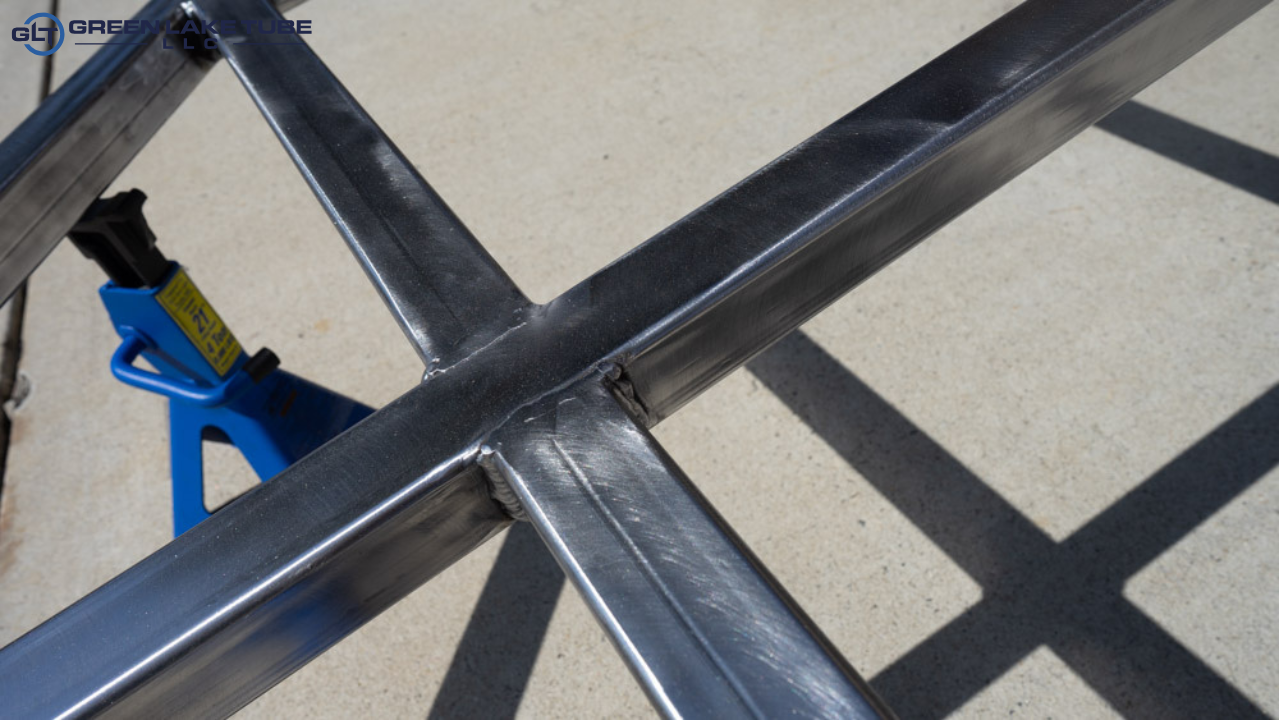
3.1. Precision Cutting and Preparation
Accurate cutting minimizes waste and ensures proper fit-up for welding. Laser cutting, plasma cutting, and cold saws are common methods. Proper deburring and surface preparation are critical for strong welds and effective coating adhesion.
3.2. Welding Techniques and Quality Control
Welding is the most critical joining process for trailer steel frame construction.
- Process Selection: MIG (Gas Metal Arc Welding) is widely used for its speed and versatility. TIG (Gas Tungsten Arc Welding) offers higher precision and cleaner welds, often used for critical joints or thinner materials. Stick (Shielded Metal Arc Welding) is robust for outdoor or less precise work.
- Joint Design: Proper joint design (e.g., full penetration welds, appropriate bevels) is crucial for maximizing weld strength and preventing stress concentrations.
- Weld Quality: Visual inspection, dye penetrant testing, magnetic particle inspection, and even ultrasonic testing are used to ensure welds are free of defects (cracks, porosity, lack of fusion) that could compromise the frame’s integrity. Adherence to AWS (American Welding Society) standards is a hallmark of quality.
- Distortion Control: Heat input during welding can cause distortion. Proper fixturing, welding sequence, and heat management techniques are vital to maintain frame dimensions and alignment.
3.3. Assembly and Finishing
Accurate assembly ensures the frame is square and plumb. After welding, processes like grinding, cleaning, and applying protective coatings (paint, powder coat, galvanizing) are performed. Galvanizing offers excellent long-term corrosion protection, especially for metal for trailer components exposed to the elements.
4. Navigating Emerging Trends and Future-Proofing Your Designs
The trailer manufacturing industry is constantly evolving, driven by demands for increased efficiency, durability, and specialized applications.
- Lightweighting: The pursuit of lighter trailers continues to drive innovation in materials (HSLA, AHSS, even aluminium trailer frame options for very specific applications) and design.
- Modularity and Kits: The rise of enclosed trailer frame kit and modular designs simplifies manufacturing and allows for greater customization.
- Smart Trailers: Integration of sensors for load monitoring, tire pressure, and even predictive maintenance will influence future frame designs, potentially requiring conduit or mounting points for electronics.
Frequently Asked Questions (FAQs)
Q1: What is the most common type of steel used for utility trailer frames? A1: ASTM A500 Grade B or C carbon steel is the most common choice for utility trailer frames due to its excellent balance of strength, weldability, and cost-effectiveness. Rectangular and square tubing profiles are predominantly used.
Q2: How does the type of steel impact the overall weight of a trailer? A2: Stronger steels like High-Strength Low-Alloy (HSLA) or Advanced High-Strength Steel (AHSS) allow manufacturers to use thinner wall sections or smaller profiles to achieve the same structural integrity as standard carbon steel. This direct reduction in material volume leads to significant weight savings, improving payload capacity and fuel efficiency.
Q3: Is 2×2 or 2×3 steel tubing sufficient for a heavy-duty trailer? A3: The suitability of 2×2 trailer or 2×3 steel tubing for trailer depends entirely on the trailer’s intended maximum gross vehicle weight rating (GVWR), load distribution, and design. For heavy-duty applications, thicker wall sections of these profiles, or stepping up to larger dimensions or higher-strength steel grades (like HSLA), would be necessary. A structural engineer should always validate the design.
Q4: What are the best ways to protect a steel trailer frame from rust? A4: The most effective methods include hot-dip galvanizing, which provides a durable zinc coating; powder coating, which offers a tough, aesthetically pleasing finish; and high-quality paint systems, often with rust-inhibiting primers. Proper surface preparation before any coating application is crucial for long-term protection of the trailer metal frame.
Q5: Can I use aluminum for a trailer frame instead of steel? A5: Yes, aluminium trailer frame construction is an option, particularly for applications where extreme weight savings are paramount, such as car haulers or specialized recreational trailers. Aluminum offers excellent corrosion resistance and lighter weight. However, it typically has a higher material cost, different fabrication requirements (e.g., specialized welding), and different fatigue characteristics compared to steel, making it less suitable for all heavy-duty or general-purpose applications.
Conclusion: Building a Stronger Future, One Frame at a Time
The art and science of trailer framing lie in the astute selection of steel for trailer components. For fabricators, OEMs, engineers, and purchasing managers, understanding the nuances of different steel types, their mechanical properties, and the impact on manufacturing processes is vital for competitive advantage. By thoughtfully considering load requirements, weight optimization, fabrication costs, and environmental factors, you can engineer trailer frames that not only meet industry standards but exceed customer expectations for durability, performance, and value.
Invest in quality, innovate in design, and partner with suppliers who provide certified, high-grade trailer frame steel. Your commitment to selecting the right materials is the true foundation of every reliable, long-lasting trailer.

