

Recreational vehicle tubing plays a far bigger role in the travel experience than most people realize. Hidden beneath glossy exteriors and stylish interiors, it forms the essential framework that keeps RVs safe, sturdy, and road-ready.
Over the past decade, advances in materials science, manufacturing technology, and design thinking have dramatically reshaped tubing production. The goal is clear: create lighter frames for improved efficiency, but strong enough to endure years of long-distance travel.
For manufacturing hubs like East Chicago and Gary, IN, this evolution is more than an engineering achievement—it’s a significant economic growth and innovation opportunity.
Why Recreational Vehicle Tubing Is the Backbone of Every RV?
At its core, recreational vehicle tubing provides the skeletal structure of an RV. It supports walls, ceilings, floors, slide-outs, and storage compartments. It also contributes to safety, handling, and overall durability. When you tow a fully loaded RV down the highway, the tubing must withstand constant vibrations, twisting forces, and sudden braking without deforming or cracking.
Poor RV tubing design can lead to structural weaknesses, frame flex, and safety hazards. On the flip side, well-engineered tubing ensures that the RV can carry more features, offer better stability, and handle diverse terrains—from smooth highways to uneven campgrounds.
The Shift Toward Lightweight Construction
In the past, heavy-gauge steel was the default material for RV frames. It was dependable but came with a major drawback—weight. The heavier the RV, the harder it is to tow, the more fuel it consumes, and the greater the strain on the RV and the tow vehicle.
Today’s manufacturers are embracing lighter alternatives. This isn’t just a matter of convenience; it’s about performance, cost savings, and environmental responsibility. Lightweight tubing translates to:
- Better fuel economy: Less weight means less drag on the tow vehicle.
- Higher payload capacity: Owners can carry more gear without exceeding weight limits.
- Easier handling: Lightweight RVs are less prone to swaying during travel.
- Lower emissions: Reduced fuel consumption benefits the environment.
Modern Materials Leading the Way
The tubing industry has responded to weight-reduction demands with several innovative material solutions:
Thin-Wall Steel Tubing
This technology maintains the strength of traditional steel but uses less material. Wall thickness is reduced while structural integrity remains intact. It also offers:
- Cost efficiency: Steel remains one of the most affordable metals for large-scale manufacturing.
- Custom shaping: Can be bent and formed for unique RV designs.
- Durability: With coatings, thin-wall steel can resist rust and corrosion for decades.
Aluminum Tubing
Aluminum offers a naturally high strength-to-weight ratio and corrosion resistance. Many high-end RV models now use aluminum frames to save hundreds of pounds without sacrificing safety.
Composite Tubing
Composite materials—often combining carbon fiber, fiberglass, and resin—deliver exceptional strength with even greater weight savings. While still costly for mass-market RVs, prices are falling as production scales.
Engineering for Strength and Safety

Lightweight materials alone aren’t enough; tubing must also be engineered to handle specific stress points. RV design engineers use computer-aided design (CAD) tools to simulate the forces an RV will experience on the road. The results inform:
- Reinforcement zones: Thicker or double-layered tubing in high-stress areas like hitch points.
- Strategic bracing: Cross-braces to prevent frame twisting.
- Load distribution: Evenly spreading weight to improve balance and handling.
By combining innovative engineering with advanced materials, RV frames can be feather-light and rock-solid.
Sustainability in Tubing Production
RV buyers are increasingly conscious of environmental impact. Manufacturers are responding by:
- Using recyclable metals: Both steel and aluminum can be recycled without losing strength.
- Reducing waste: Precision cutting systems minimize scrap material.
- Energy-efficient production: Modern factories use less energy per unit produced.
- Low-VOC coatings: Reducing harmful emissions during manufacturing.
These efforts align with global trends toward sustainable travel and manufacturing, a selling point for environmentally conscious customers.
Trends Shaping the Future of RV Tubing
The tubing industry is evolving rapidly, with several innovations on the horizon:
- Hybrid Frames
Combining different materials—steel for strength, aluminum for weight savings—creates balanced, cost-effective solutions. - Smart Tubing
Tubing embedded with sensors can monitor structural stress, detect corrosion early, and send data to owners or service centers. - 3D-Printed Tubing Components
While still in early stages, 3D printing could allow for highly customized frame parts, reducing waste and speeding production. - Modular Tubing Designs
Frames built from interchangeable sections make repairs and upgrades easier without replacing the entire structure.
The Role of Manufacturing Hubs
East Chicago and Gary, IN, have deep roots in steel production and metal fabrication. As RV manufacturing demands new tubing solutions, local expertise becomes a competitive advantage. Facilities in these cities can adapt existing equipment to produce advanced tubing products for the RV market. This supports local jobs and positions the region as a leader in next-generation vehicle manufacturing.
Benefits for the RV Consumer
For RV owners, the move toward lightweight and strong tubing means:
- Improved safety on the road.
- Greater customization options for layouts and features.
- Lower fuel costs and reduced environmental impact.
- Extended lifespan of the RV frame and components.
- Better resale value thanks to modern materials and engineering.
Challenges in the Industry
Even with these advancements, the RV tubing sector faces obstacles:
- Material costs: Aluminum and composites remain more expensive than traditional steel.
- Retooling expenses: Factories must invest in new equipment to handle advanced materials.
- Testing and certification: New designs must pass rigorous safety and performance tests.
- Consumer awareness: Many buyers still associate heavier frames with better quality, so education is key.
Preparing for the Next Decade of RV Tubing
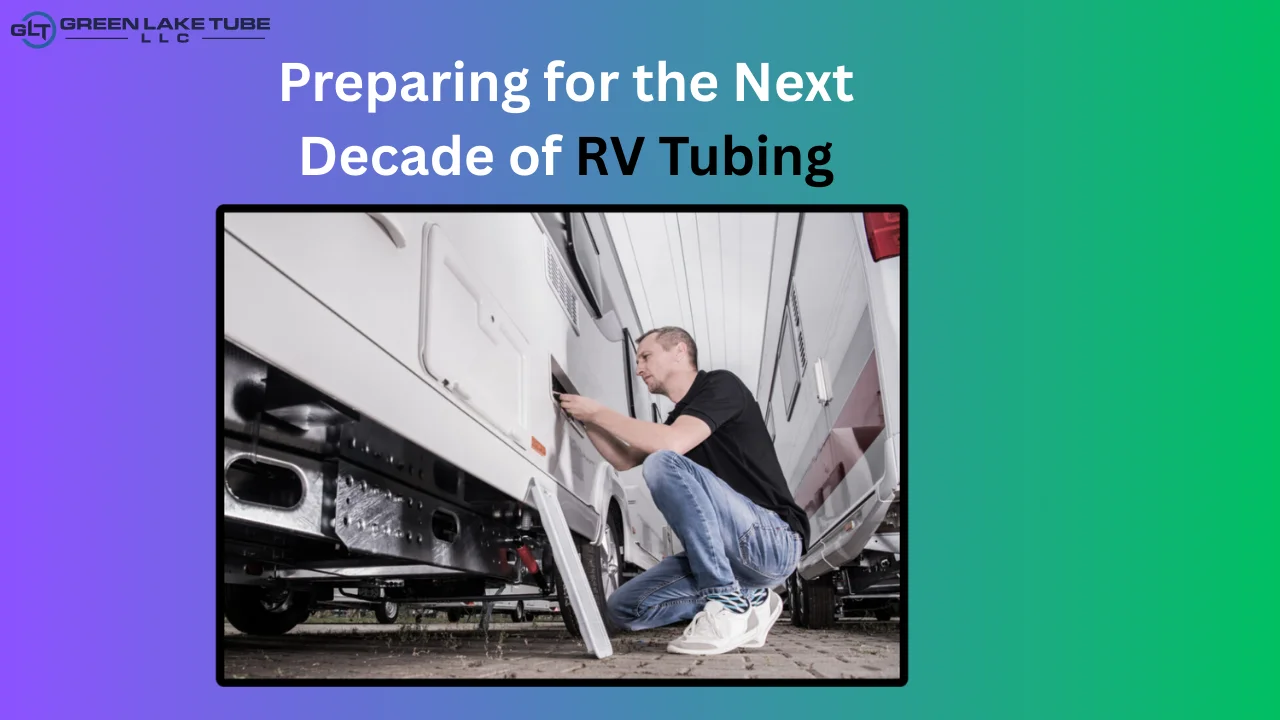
The focus will remain on balancing strength, weight, and cost. As more manufacturers adopt lightweight materials, economies of scale will bring prices down. Emerging technologies like automated welding, AI-driven design, and eco-friendly coatings will further improve efficiency and performance.
East Chicago and Gary, IN, can leverage their industrial heritage and skilled workforce to become pivotal players in this market shift. By embracing innovation now, they can secure long-term roles in supplying tubing for the RV industry nationwide.
Building the Road Ahead with Green Lake Tube
The future of RV manufacturing hinges on creating lighter, stronger, and more sustainable frames than ever before. Whether it’s thin-wall steel, aluminum, or advanced composites, the tubing inside an RV directly impacts its safety, performance, and longevity. For regions with strong manufacturing traditions, like East Chicago and Gary, this shift presents economic opportunities and a chance to lead innovation in the industry.
At Green Lake Tube, we’re committed to providing high-quality tubing that powers this evolution, helping manufacturers design RVs that deliver safer travels, better fuel efficiency, and groundbreaking features. If you’re ready to build the next generation of recreational vehicles, we’re prepared to supply the strength that makes it possible.

