

Reliability isn’t a luxury — it’s a necessity when hauling heavy loads. Whether you’re a commercial operator, a farm equipment supplier, or a business owner transporting materials, having a quality steel trailer makes all the difference. From structural integrity to long-term durability, the materials and craftsmanship behind a trailer define its lifespan, safety, and performance.
This guide is your one-stop resource to understand what makes quality steel trailers stand out, how to identify the best options in the market, and how Green Lake Tube helps you stay ahead with premium steel tubing solutions.
Why Quality Steel Matters in Trailers?
Every trailer is only as strong as the steel it’s built from. Low-quality materials often result in frame fatigue, rust, and frequent maintenance, costing you more in the long run.
On the other hand, quality steel trailers provide:
- High strength-to-weight ratio
- Better resistance to corrosion
- Extended service life with minimal upkeep
- Increased load capacity without added weight
These benefits ensure safety and performance and boost ROI for your business.
Well-built trailers that last for years allow you to focus on what matters — delivering goods, running operations, and serving customers.
What Defines a Quality Steel Trailer?
Before investing in a trailer, here’s what you need to consider:
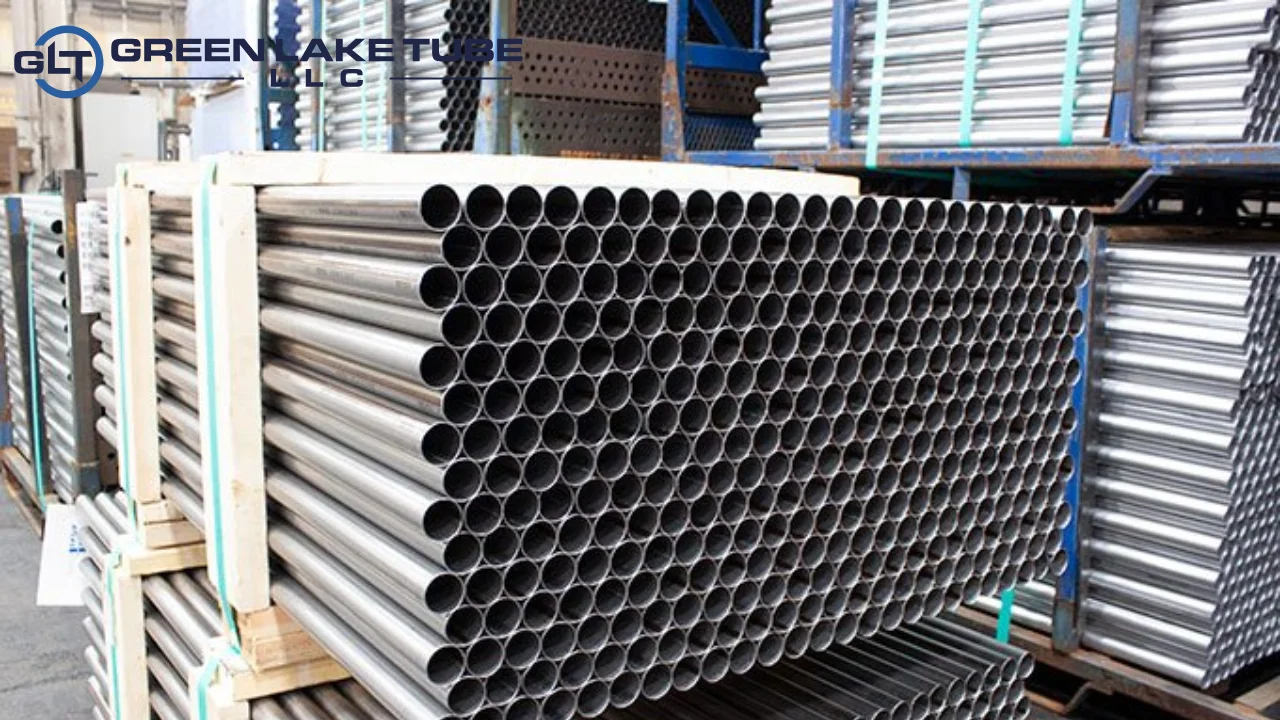
1. Type of Steel Used
The grade and type of steel directly impact the trailer’s strength and flexibility. Commonly used grades include:
- A500 Grade B or C: Used in structural tubing, known for its balance of strength and weldability.
- A513: Ideal for mechanical purposes, offering excellent dimensional tolerances.
- Galvanized Steel: Offers superior rust resistance for trailers exposed to harsh environments.
Choosing the right grade ensures optimal strength and usability in various terrain and weather conditions.
2. Tubing Shapes and Sizes
Quality steel trailers rely on correctly sized tubing to balance weight and load-bearing capacity. Standard tubing sizes used in trailer frames include:
- 2×2 or 2×4square steel tubing
- Rectangular tubing for cross-members
- Round tubing in specialized trailer designs
Proper sizing avoids overbuilding (too heavy) or underbuilding (too weak), ensuring both efficiency and safety.
3. Welding and Fabrication Quality
Even premium steel can underperform if fabrication is poor. Look for trailers with:
- Consistent, clean welds
- Reinforced joints and load points
- Symmetry and straight alignment in the frame
4. Surface Finish and Coating
To prevent corrosion, trailers must be coated with rust-resistant materials such as:
- Powder coating
- Hot-dip galvanizing
- Zinc-rich primers followed by high-durability topcoats
These coatings help trailers perform in diverse climates, especially for long-haul operators.
Green Lake Tube: Your Trusted Source for Steel Tubing
At Green Lake Tube, we manufacture steel tubing explicitly designed for quality steel trailers. Our commitment to precision, consistency, and customer needs sets us apart in the fabrication industry.

Here’s what we offer:
✔ Wide Range of Steel Tubing Products
From square and rectangular HSS to custom sizes, we deliver structural tubing that meets your specs.
✔ Reliable U.S. Manufacturing
American-made standards with fast turnaround and consistent availability back our production.
✔ Certifications That Matter
We provide material certifications and traceability for every batch, helping you meet project requirements and pass inspections.
✔ Value-Added Services
We offer:
- Custom cutting
- Drilling
- Deburring
- Packaging tailored to your workflow
These services save your team time and increase your operational efficiency.
By sourcing from Green Lake Tube, you’re ensuring that every trailer you build starts with trusted steel that performs.
Daily Use Case: Why It Matters
Check it out. A logistics company needs trailers to haul construction materials daily. Using low-grade tubing, they experience bent frames and downtime within months. When they switch to trailers made from quality steel tubing, maintenance drops, fuel efficiency improves due to lighter yet stronger frames, and customer delivery timelines stabilize.
This is the everyday advantage of choosing better steel.
Trailer Durability: Your Top Questions Answered by Green Lake Tube
At Green Lake Tube, we know that when you invest in a trailer, you invest in its long-term performance. We’re committed to providing the highest quality steel tubing for durable, reliable trailers. Here are some common questions about what makes a trailer truly last:
Q1: What are the main factors that contribute to a trailer’s durability?
A1: A durable trailer starts with superior materials. Key factors include the type of steel used (like advanced HSLA or HSS from Green Lake Tube), smart fabrication methods such as robotic welding, comprehensive rust protection (galvanizing, powder coating), and rigorous quality assurance checks (NDT, FEA, load testing).
Q2: How do advanced steels like HSLA and HSS, supplied by Green Lake Tube, make trailers last longer?
A2: HSLA (High-Strength Low-Alloy) steels offer exceptional strength with less weight. This means better payload capacity and improved fuel efficiency without compromising structural integrity. HSS (Hollow Structural Sections), on the other hand, are incredibly stiff and resist twisting and bending, significantly reducing metal fatigue over time. Both types of steel from Green Lake Tube are crucial for building quality trailers that endure the toughest conditions.
Q3: What’s the role of welding in trailer durability, and what are the best practices?
A3: Welding is absolutely fundamental to a trailer’s strength and longevity. The best practices involve utilizing advanced methods like robotic MIG/TIG welding for strong, consistent welds. Additionally, applying post-weld heat treatment helps relieve internal stresses. Avoiding common welding flaws like air pockets is also vital in preventing fatigue and ensuring the trailer’s long-term performance.
Q4: Is aluminum a better choice for trailer durability than steel?
A4: Aluminum offers excellent corrosion resistance and lightweight benefits. However, for heavy-duty and high-stress applications, steel generally provides superior strength and impact resistance for its size. Many high-quality trailers from leading manufacturers effectively blend both materials to leverage the best of both worlds, often utilizing robust steel tubing from suppliers like Green Lake Tube for core structural integrity.
Q5: As a purchasing manager, how can I truly assess a trailer’s long-term durability before purchasing?
A5: Look beyond just the initial price. Ask about the specific steel grades used (e.g., ASTM A500, HSLA – ensuring they source from reputable suppliers like Green Lake Tube), the fabrication methods (like robotic welding or NDT), the type of rust protection applied, and the manufacturer’s warranty. Request case studies or testimonials demonstrating how their trailers perform over time in similar operational environments.
Final Words: Invest in Lasting Performance with Green Lake Tube
In the demanding industrial transport and manufacturing world, a trailer’s value isn’t just its upfront cost. It’s about its consistent performance, unwavering reliability, and low total cost of ownership over the years of service. By choosing advanced industrial steel tubing like HSLA and HSS from Green Lake Tube, and pairing it with intelligent fabrication techniques such as robotic welding and careful post-weld treatments, manufacturers can deliver trailers that aren’t just tough—they’re genuinely built to last.
Contact Green Lake Tube today to learn more about our high-quality steel solutions for your next durable trailer build!

